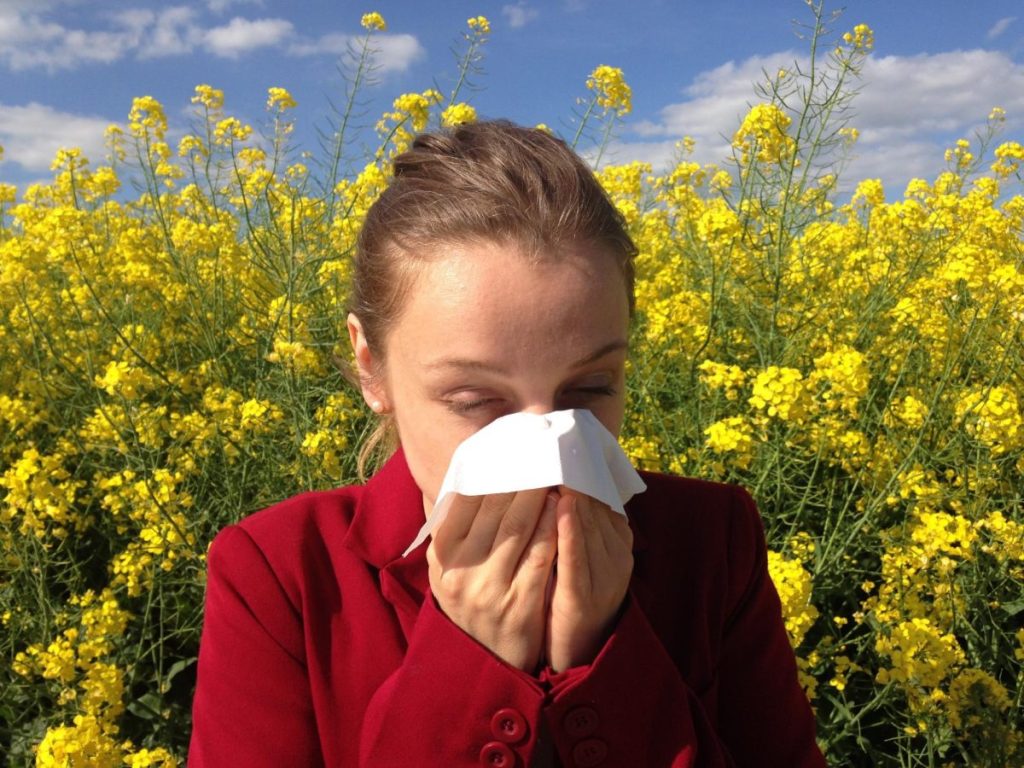
Sacramentans are suffering from a longer allergy season this year, and climate change is to blame
It’s said that if you live in Sacramento for long enough, you might end up with allergies. The region’s abundance of trees, flowering plants and grasses make it a beautiful but difficult place to live for those with pollen allergies, especially in spring. Last year, Sacramento was ranked No. 23 on the Asthma and Allergy Foundation of America’s (AAFA) list of most challenging cities in the United States to live in with allergies.
You experience allergies when your immune system over-reacts to a harmless substance like dust, mold or pollen. Your body creates antibodies that “attack” the allergen. This can cause wheezing, itching, runny nose, watery or itchy eyes, and other symptoms.
According to The World Allergy Organization, allergies (or allergic rhinitis) currently affects between 10% and 30% of all adults, and up to 40% of children. It’s getting worse too, as climate change affects CO2 levels, growing seasons and plant ranges.
This year, spring in Sacramento came 3-5 weeks early, giving plants a head-start on producing enough pollen to cover sedentary cars in a fine layer of yellow dust. On average, pollen season in the U.S. and Canada is now 20 days longer than it was in 1990. Now we’re in the midst of another bad year for pollen counts, an overall upward trend with no sign of stopping.
“Longer growing seasons and more intense rainfall are creating conditions that can worsen seasonal allergies over time,” AccuWeather Climate Expert and Senior Meteorologist Brett Anderson said. “Rising carbon dioxide levels from fossil fuel emissions are contributing to higher temperatures and increased pollen production. This is a concerning trend for millions of Americans who struggle with seasonal allergies.”
This combination of longer pollen seasons and higher pollen levels leads to stronger and more persistent allergic reactions, which could explain how individuals who haven’t struggled with allergies in the past are suffering now.
Many people who struggle with allergies use medication to manage the symptoms, called anti-histamines. There are two types of anti-histamines, first-generation and second-generation. First-generation anti-histamines like Dramamine, Chlor-Trimeton, Benadryl and NyQuil have been in use since the 1940s. They’re well-known for causing sleepiness as one of their primary side effects. Second-generation anti-histamines like Zyrtec, Allegra and Claritin were developed in the 1980s, are considered “minimally-sedating,” and can be taken orally, nasally or via an eye dropper.
Finding the right anti-histamine for you may involve testing out different brands and discussing with your doctor. Always read labels carefully to avoid any potentially negative drug interactions.
In addition to using anti-histamines, there are some steps you can take to reduce the severity of your allergies:
Check the pollen levels. You can use a website like Allermi or The Weather Channel to check what kinds of pollen and other allergens are high in your area.
Change your clothes and shower. Changing your clothes and showering after you’ve been outside can keep you from tracking pollen into your home or bed, giving you a reprieve from your allergies.
Minimize indoor pollen. Close your windows and doors on windy days to keep pollen outside where it belongs. Run a HEPA air purifier to remove pollen, dust and pet dander from the air in your home.
Wear a mask outdoors. A respirator like an N95 or KN95 can filter out pollen and dust before it ever makes it to your nose. This is useful if you can’t take allergy medicine for any reason, or if you’re working outside while gardening or cutting grass.
Braving Sacramento’s allergy season unmedicated isn’t for the weak. Take care this spring to figure out an allergy management strategy that works best for you, and keep some tissues on hand just in case.


Leave a comment